Google's AI-Generated Content Policy & Guidelines (2026): What's Safe
Google's AI-generated content policy in 2026 is simpler than the panic suggests: there's no rule against AI text and no 'was this AI?' detector — only a test of whether the page genuinely helps. Here are Google's actual guidelines, the line between safe AI content and the kind that gets filtered, and the exact use-cases where unreviewed AI is fine.
- Published
- Read time
- 8 min
- Words
- 1,489

Article body
Last updated · written by Mitchell Knight
- Google's 2026 policy doesn't ban AI text and there's no 'was this AI?' detector — the ranking signal is usefulness, not authorship.
- Well-edited AI content can outrank hand-written competitors; generic AI loses, and templated human content loses just as hard.
- Three tiers: AI-draft-then-human-edit is safest, human-supervised is middling, full automation is the riskiest by far.
- Unreviewed AI is only safe in narrow cases — FAQ expansion, rule-bound metadata, internal docs, and localising proven content.
- The fastest way to get filtered is publishing AI content that contradicts fact, especially in YMYL areas like health, finance, and tax.
Google's policy on AI-generated content in 2026 is far simpler than the panic around it suggests: there is no rule banning AI text and no "was this AI?" detector deciding rankings. Google's published guidelines say the same thing they always have — AI content is allowed, provided a human stands behind its accuracy and the page genuinely answers a real question better than the alternatives. AI-drafted content that clears that bar can outrank hand-written competitors. AI content that doesn't gets quietly filtered — and the fact it was AI is incidental to why.
So the real question isn't whether Google's guidelines permit AI content — they do. It's whether the content, AI or human, shows useful, authentic intent. This page lays out what Google's actual policy says, what's safe to publish, and what gets you filtered.
Google's ranking signal is usefulness, not authorship
Google's systems reward pages that answer a real question better than the alternatives and show experience, expertise, authoritativeness and trust. They don't ping a "human written?" database at crawl time. Google's own guidance is explicit: AI-generated content isn't automatically a violation — but content lacking expertise, accuracy or originality absolutely is. The Helpful Content Update (August 2022, expanded September 2023) put it plainly: the system rewards content "written for people, not search engines" (Google Search Central).
None of this is new. Back in February 2011, Google's Panda update buried thin, low-value content-farm pages and affected roughly 12% of all queries (Conductor; Semrush). The Helpful Content Update is Panda's logic aimed at the AI-spam era. Picture a Melbourne plumber generating fifty near-identical articles on "how to fix a leaky tap" — that gets buried, not because it's AI but because it's redundant. The same plumber using AI to draft a detailed guide built on their own installation data, local compliance quirks and years of customer call logs? That typically ranks.
The difference is specificity. Generic AI content loses. Templated human content loses just as hard.
The three tiers that actually decide safety
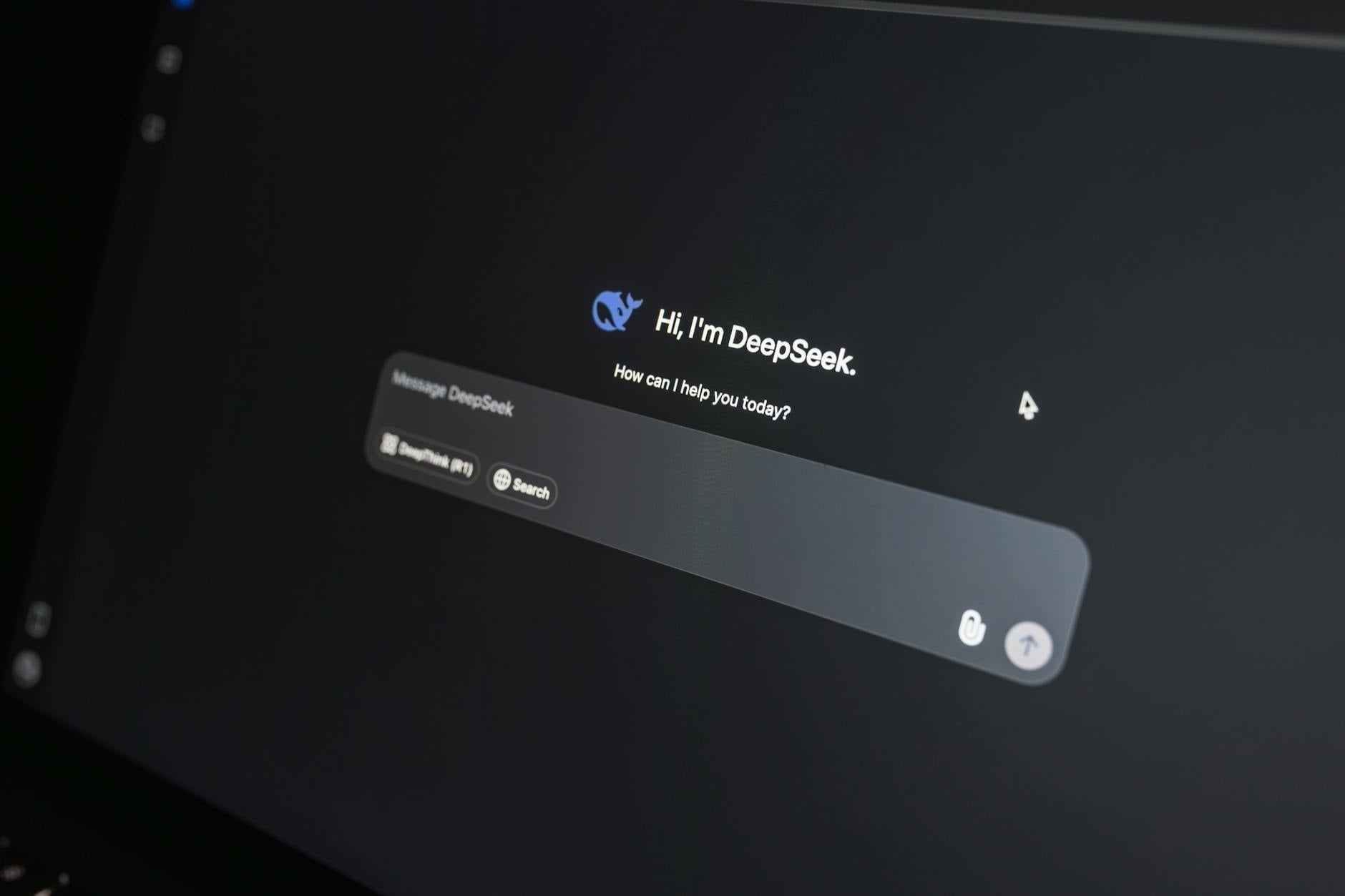
Most Australian businesses fall into one of three tiers when it comes to AI content:
- Tier One: AI first draft, human-edited second. A person reviews, rewrites, fact-checks and personalises the output. This is the safest tier and the one most likely to rank, because the finished page carries genuine human judgement and accuracy.
- Tier Two: AI output, human-supervised process. The AI generates from a strict brief or data set; a human reviews for accuracy only. Less reliable than Tier One — the gap is usually missing context or tone that's slightly off.
- Tier Three: full automation. AI generates and publishes with no human gate. The riskiest tier by far; the rare wins are narrow FAQ or schema-markup cases, not blog posts or service pages.
Google doesn't penalise Tier One or Tier Two when the content is genuinely useful. Tier Three gets filtered naturally because the content rarely addresses a real reader problem in the first place.
The issue isn't that AI wrote it. The issue is that it sounds like it was written to check a box instead of to solve a problem.
When it's genuinely safe to publish AI content unreviewed
There are narrow cases where AI output needs minimal human intervention:
- FAQ expansion from real questions. If you already have a dozen genuine customer questions, AI can reasonably draft answers to variations ("what if I need X instead of Y?"). A 15-minute spot-check brings the risk close to zero.
- Rule-bound metadata at scale. Meta descriptions and title tags generated from a fixed pattern (product name + category + benefit) are usually safe to publish directly, because each line is rule-bound, not freeform. Say a store has hundreds of SKUs — generating consistent metadata this way is low-risk.
- Internal documentation. Training guides, processes, handbooks — pages that don't need to rank. Google doesn't index them anyway, so the ranking question is moot.
- Localising proven content. If a page ranks well in UK or US English, redrafting it into Australian English with local examples is legitimate — but still budget an hour to catch Americanisms and check local relevance.
Everything else — blog posts, service pages, case studies, anything involving testimonials — needs human verification or original information before it goes live.
The real risk: faking experience you don't have
Google's helpful-content system leans on E-E-A-T: Experience, Expertise, Authoritativeness, Trustworthiness. An AI model has zero experience. It has no authentic point of view. It cannot have personally made a mistake, learned from it and improved. But you have. Your team has. A real customer has.
The danger zone is claiming expertise that isn't real. If a Brisbane business owner publishes AI text claiming "15 years in this field" or "in my experience" and none of that is true, Google's systems may not flag it as a hard violation — but the site gets filtered when the pattern repeats, because the content keeps failing the experience test. Readers feel it too; copy that fakes authority reads hollow, and hollow copy doesn't convert.
Compare that to a clear byline: "drafted with AI and reviewed by our team." Transparency doesn't hurt your ranking. Fakery does. In an industry full of invented credentials and fake reviews, the honest version is the competitive advantage — it's real E-E-A-T instead of the costume version.
The one thing that will definitely get you filtered
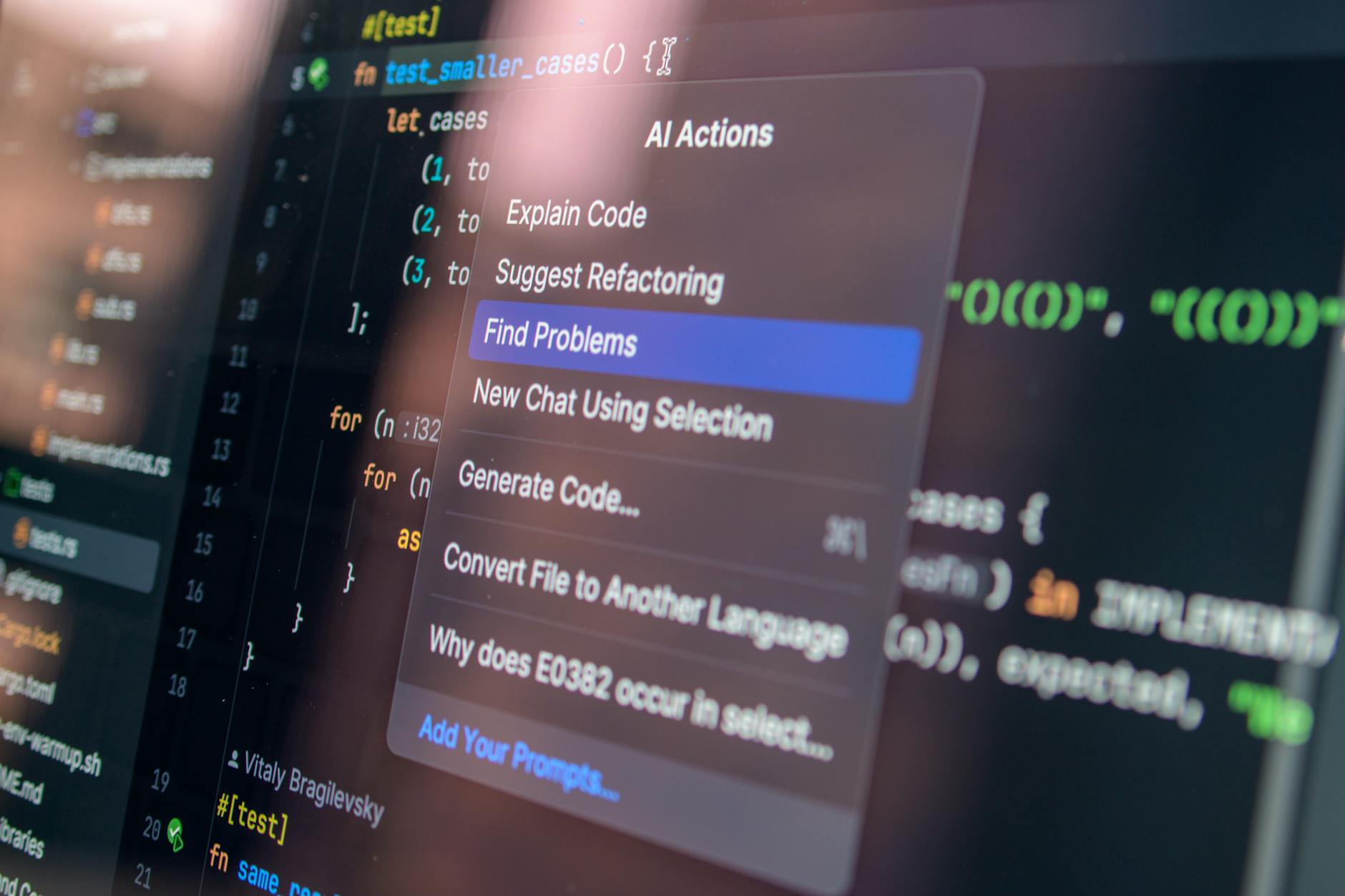
Publishing AI content that contradicts documented fact — especially in YMYL categories (Your Money, Your Life: health, finance, law, safety) — is the fastest way to get suppressed or hit with a manual action. A Queensland tax agent publishing AI text about ATO lodgement deadlines without checking the actual ATO website is a penalty waiting to happen. And it's worse than a ranking dip: a wrong deadline costs a reader real money.
The same goes for product claims. A store pushing AI-drafted reviews or testimonials that are simply made up isn't risking rankings — it's risking action from the ACCC. Fabricated reviews are unlawful in Australia. That's a legal exposure, not an SEO one. To stay clear:
- Fact-check every claim against official sources (ATO, state regulators, industry bodies).
- Cross-check competitor content — if your AI draft is indistinguishable from theirs, it's too generic to rank.
- Disclose AI assistance where authorship matters. It's becoming table stakes, not a liability.
When not to use AI content at all


Brand voice and storytelling rarely land with an LLM. A real story about why your work changed someone's situation is strongest told by that person, or by a writer who actually sat with them. AI can approximate emotion; it can't capture the specific moment that shifted someone's mind, because it wasn't there.
Similarly, competitive positioning demands human judgement. An AI model is trained on publicly available text, so it surfaces the same angles your competitors already use. Real differentiation comes from an insight nobody else has documented yet — and that's a human job by definition.
If you're trying to decide right now
The safe rule for 2026: only publish AI content in categories where you'll put your own name or your business name behind the accuracy claim. If you wouldn't sign off on it under your own authority, the AI doesn't absolve you of responsibility for what's on the page.
For most Australian small businesses that means AI is a draft tool, not a publish button. Generate initial copy, structure or ideas. Run it past someone who knows your business and your customer. Spend the hour editing. Then publish. That's exactly how we use it on our own content — AI for the first draft, a human rewrite and fact-check before anything ships.
The businesses competing hardest in 2026 won't be the ones using AI most aggressively. They'll be the ones using it to draft fast — then winning on the human second pass.

Mitchell Knight
Founder & Lead Strategist, Soaringwebs
Mitchell founded Soaringwebs in 2022, and has built websites and run marketing for Australian small businesses since 2020. He writes about paid media, local SEO, and the craft of fast websites — and personally works on the Brisbane sites we build every week.
The ones we always get.
Google's policy is that AI-generated content is allowed and is not automatically a violation. There is no rule banning AI text and no detector deciding rankings by authorship. What Google's guidelines target is content that lacks expertise, accuracy or originality — regardless of whether a human or an LLM produced it. The Helpful Content Update (August 2022, expanded September 2023) made this explicit: the system rewards content 'written for people, not search engines'. So well-edited AI content that genuinely answers the question can outrank hand-written competitors, while unreviewed AI content that exists only to catch a query gets filtered — the same way Panda buried content farms in 2011.
Google's guidelines do not ban AI-generated content and there is no detector deciding rankings by authorship. The guidelines focus on usefulness and expertise: Google's own guidance states AI content isn't automatically a violation, but content lacking expertise, accuracy or originality is filtered. In practice that means AI is safe to use as long as a human verifies the facts, adds genuine expertise (E-E-A-T), and the page answers a real question better than the alternatives. The Helpful Content Update sums it up: write for people, not search engines.
There are three tiers. Tier One (AI first draft, then a human edits, fact-checks and personalises) is the safest and most likely to rank, because the finished page carries genuine human judgement. Tier Two (AI output with a human reviewing accuracy only) is less reliable, usually because of missing context or off tone. Tier Three (full automation, no human review) is the riskiest by far; its rare wins are narrow FAQ or schema-markup cases, not blog posts or service pages.
In a few narrow cases: expanding FAQs from real customer questions, generating rule-bound metadata at scale (meta descriptions and title tags built from a fixed pattern), internal documentation that doesn't need to rank, and localising proven content into Australian English (still budget an hour to catch Americanisms). Everything else — blog posts, service pages, case studies, anything with testimonials — needs human verification or original information before it goes live.
Because they're low-value and redundant, not because they're AI. Picture a plumber generating fifty near-identical articles on fixing a leaky tap — that gets filtered, exactly the content-farm pattern Panda targeted in 2011. The same plumber using AI to draft a detailed guide built on their own installation data, local compliance quirks and years of customer call logs would typically rank. The difference is specificity and genuine usefulness, not the tool.
Want a free read on your site?
We'll send back a real, plain-English audit covering speed, SEO, conversion, and accessibility — usually inside 48 hours. No obligations, no follow-up spam.