Small Business Google Ads Brisbane: A Practical Checklist
Before you spend a dollar on Google Ads, walk this checklist: conversion tracking on, negative keywords in, a fast landing page ready, and a budget tied to what a customer is actually worth. Here is the Brisbane small-business version, in plain English.
- Published
- Read time
- 9 min
- Words
- 1,812
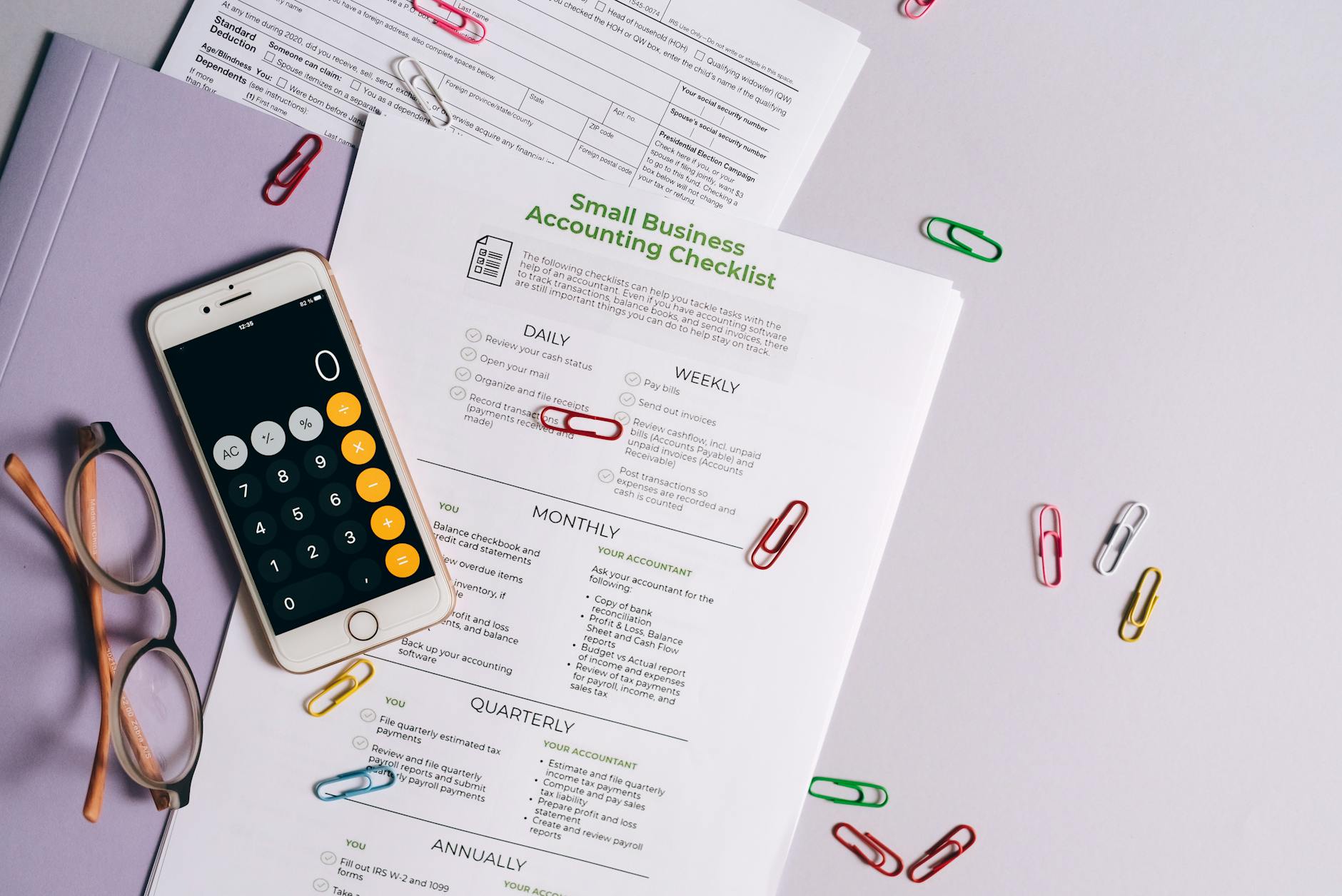
Article body
Last updated · written by Mitchell Knight
- Before you spend a dollar: conversion tracking live, negative keywords loaded, a fast focused landing page, and a budget tied to what a customer is worth.
- You pay Google for every click, not every sale — so the whole job is filtering for buyers before the click and converting them after it.
- Two separate costs: ad spend goes to Google (from ~A$20–$40/day), management is the agency fee (ours is A$150/week for every A$100/day of ad spend). Always shown separately.
- Work the budget backwards from customer value — if a customer is worth A$1,500 and one in five leads converts, a lead can cost up to A$300 and still profit.
- Watch cost per lead, conversion rate, CPA and ROAS; ignore impressions and raw clicks. The landing page decides half the result, so speed is money.
Before you spend a single dollar on Google Ads, four things must be true: conversion tracking is live (so you can see which clicks become enquiries), negative keywords are in place (so you stop paying for the wrong searches), your landing page loads fast on a phone, and your daily budget is tied to what a customer is actually worth to you. Get those right and Google Ads becomes a measurable lead engine. Skip them and it becomes the fastest way for a Brisbane small business to burn money. Here is the full checklist.
What Google Ads actually is — paid placement at the top of search for what people type
Google Ads (formerly AdWords) lets you pay to appear at the top of Google for specific searches. The big advantage over SEO is speed: SEO takes months to build, Google Ads can put you in front of a buyer this afternoon. The catch is that you pay for every click whether or not it turns into a job — so the entire game is making sure the people who click are the ones likely to buy, and that what happens after the click actually converts. That is why this is a checklist, not a "set a budget and go" button.
The pre-launch checklist — what must be done before you spend a dollar
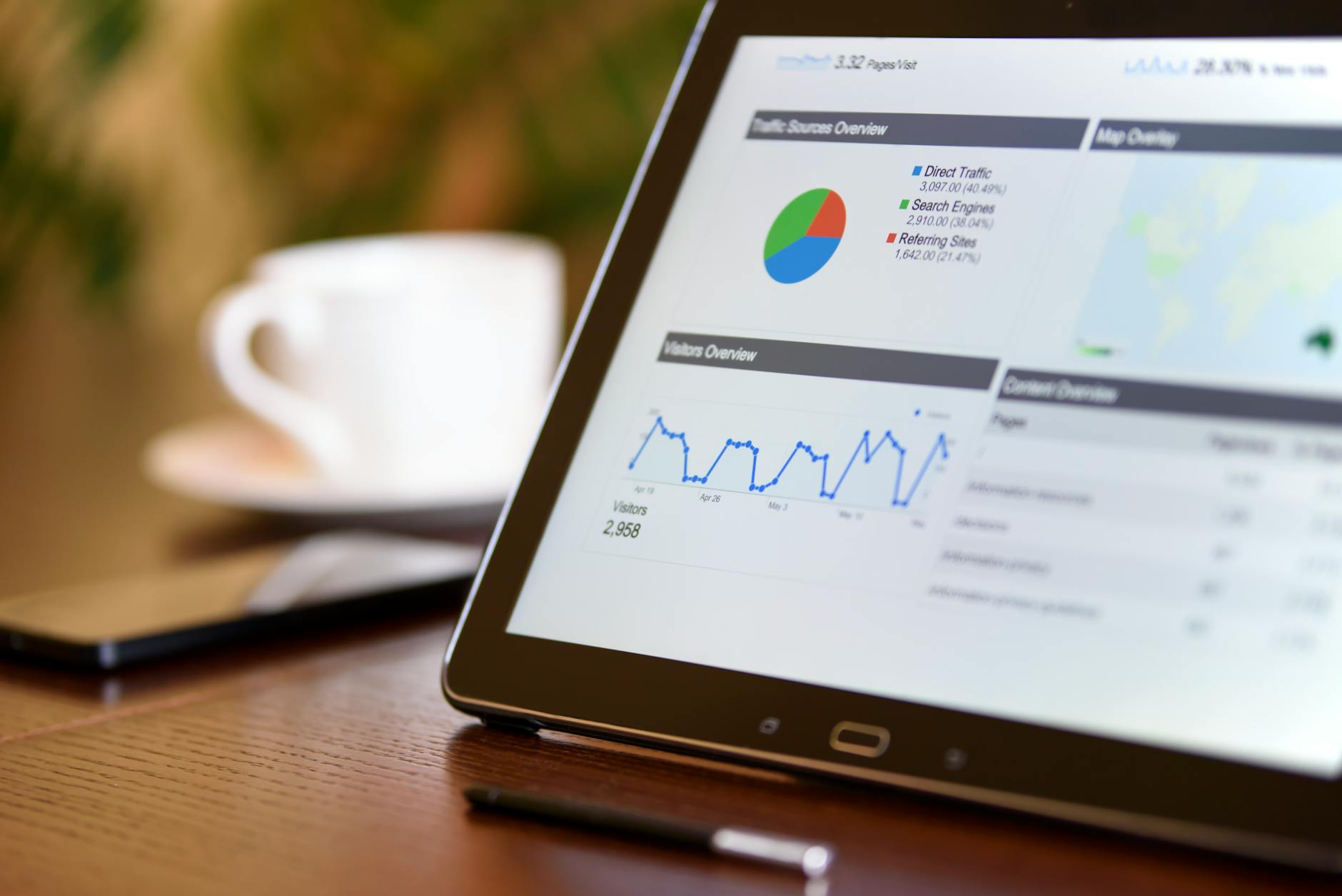
Work down this list in order. Each item is something we check before any Brisbane account goes live.
- Conversion tracking is installed and tested. Phone calls, form submissions, and click-to-call all counted. If you cannot see which keyword produced which enquiry, you are flying blind — and most of the "Google Ads doesn't work for me" stories start here.
- Negative keywords are loaded. A plumber should not pay for "plumbing apprenticeships" or "DIY blocked drain". Free, jobseeker, and how-to searches drain budgets quietly. Build the negative list before launch, then keep adding to it weekly.
- Tight, high-intent keywords only. "Emergency plumber Paddington" converts; "plumbing" burns money. Start narrow and local, then expand only into terms that prove themselves.
- Locations set to your real service area. Set radius targeting to the suburbs you actually work in, and set it to "people in" your area, not "people interested in" it — the default quietly shows your ads to the whole country.
- A fast, focused landing page. Send clicks to a page that matches the ad, not your busy homepage. One offer, one clear next step, phone number above the fold.
- A daily budget tied to a real number. Decide what a customer is worth before you decide what to spend (more on this below).
What does Google Ads cost for a Brisbane business?

There are two separate costs, and conflating them is where most quotes get murky. Ad spend goes straight to Google — you control it, and you can start meaningfully from around A$20–$40 a day. Management is what an agency charges to run the account. Our Google Ads management is A$150 a week for every A$100 a day of ad spend, plus your ad spend, with no lock-in contract — the two numbers are always shown separately, because you should always be able to see what is going to Google versus what is going to us. When an agency wraps everything into one blended figure with no breakdown, you cannot tell whether your money is buying clicks or commission.
The figure that actually matters is none of those. It is your cost per lead, and ultimately your cost per customer. A campaign spending A$2,000 a month that books work worth A$10,000 is cheap. A A$300 campaign that books nothing is expensive. Always judge Google Ads against the lifetime value of a customer, not the size of the invoice — that is the number this whole checklist exists to protect.
Decide what a customer is worth before you decide what to spend. Every sensible budget, bid, and "is this working?" decision flows from that one number.
How to set a budget that makes sense
Work backwards from the customer, not forwards from a round number. If an average customer is worth A$1,500 to you and one in five leads becomes a customer, then a lead can cost you up to A$300 and still be profitable. Now you know what to watch: if your cost per lead sits well under that, scale up; if it creeps over it, something needs fixing before you spend more. Most Brisbane small businesses we work with land in a sustainable rhythm somewhere between A$1,000 and A$3,000 a month in total once the account is tuned — but that range is an outcome of the maths, not a starting target. Pick the spend your numbers justify.
The landing page decides half your result
You can win the auction and still lose the sale if the page behind the ad is slow or confusing. Speed is not a vanity metric here — it is money. Amazon found that every 100 milliseconds of extra load time cost it roughly 1% in sales (Greg Linden, ex-Amazon). The BBC found it lost 10% of users for every additional second a page took to load. Walmart found that every one-second improvement in load time lifted conversions by up to 2%. When you are paying for every click, a page that makes a tenth of those visitors leave before it loads is throwing away a tenth of your budget — and since Core Web Vitals became a Google ranking factor in June 2021, a slow page also costs you the free organic traffic on top.
So the landing page needs three things: it loads fast on a phone, it matches the promise in the ad, and it has one obvious next step (a tappable phone number and a short form, not a maze). We build fast sites without sacrificing design for exactly this reason — the fastest ad in the world is wasted on a page that crawls.
The metrics that matter — and the ones to ignore
Google's dashboard shows dozens of numbers, most of which are noise for a small business. Ignore impressions and raw clicks — they feel like progress and tell you nothing about money. Watch these instead:
- Cost per lead. What each genuine enquiry costs you. The headline number.
- Conversion rate. What share of clicks become enquiries. A low rate usually points at the landing page, not the ad.
- Cost per acquisition (CPA). What it costs to win an actual customer, once leads are followed through to sales.
- Return on ad spend (ROAS). Revenue earned for every dollar spent. The number that decides whether the whole thing is worth it.
Click-through rate is worth a glance because it hints at whether your ad copy is landing, but it is a means, not an end. A high CTR feeding a page that never converts is just expensive popularity.
The mistakes that waste Brisbane ad budgets
Almost every wasted Google Ads budget we are handed traces back to the same short list:
- No conversion tracking. The single most common fault. You cannot improve what you cannot measure.
- No negative keywords. Paying for free, DIY, and jobseeker searches that will never buy.
- Broad keywords. "Plumber" instead of "burst pipe repair Brisbane" — wide reach, terrible intent.
- Homepage as the landing page. A general homepage rarely converts paid traffic; a focused page does.
- A slow site. Covered above — it quietly burns a slice of every click.
- Set and forget. An untouched account drifts. It needs weekly attention, not a launch and a prayer.
Google Ads or Meta — which first?
Honest answer: it depends on whether people already search for what you sell. If they do — plumbers, electricians, emergency trades, anyone people look up when they have a problem — Google Ads usually wins first, because the intent is already there. If demand is low or your product is something people do not think to search for, Meta ads can create that demand instead. The only client result we attach a real number to came from Meta: a single paid Meta lead-gen campaign for Dam Good Patios, a Brisbane patio builder, delivered 63 leads at A$8.33 each on A$525 of spend. We say "paid Meta" deliberately — it was not SEO, and we will not dress it up as something it wasn't. It is the only outcome we put a figure on, because it is the only one we have measured and verified. Treat any agency quoting bigger numbers without showing you the account as a storyteller, not a marketer.
What our Google Ads management actually includes
Transparency is the whole point, so here is what the management fee covers, plainly: initial setup (keyword research, ad copy, landing-page guidance, conversion tracking), ongoing management (bid adjustments, keyword and negative-keyword refinement, ad testing), clear reporting in leads and cost per lead rather than vanity charts, and regular account audits. No hidden fees, no lock-in, and ad spend always shown separately from the fee. Our full numbers live on the pricing page — published, not hidden, because you should be able to see what you are buying before you ask.
If you are deciding right now whether to learn Google Ads yourself or hand it over, run the free site audit first. It will tell you whether your site is even ready to receive paid clicks — and if it is not, fixing that is usually a better first dollar than any ad.

Mitchell Knight
Founder & Lead Strategist, Soaringwebs
Mitchell founded Soaringwebs in 2022, and has built websites and run marketing for Australian small businesses since 2020. He writes about paid media, local SEO, and the craft of fast websites — and personally works on the Brisbane sites we build every week.
The ones we always get.
Five things, in order: working conversion tracking so you can see which clicks become enquiries; a negative-keyword list so you stop paying for free, DIY and jobseeker searches; tight high-intent local keywords rather than broad ones; location targeting set to 'people in' your real service area; and a fast landing page that matches the ad. Skip conversion tracking and every later decision is a guess.
Work backwards from what a customer is worth. If an average customer is worth A$1,500 and one in five leads converts, a lead can cost up to A$300 and still be profitable. Most tuned small-business accounts settle between A$1,000 and A$3,000 a month in total — but that is an outcome of the maths, not a starting target. You can start meaningful testing from around A$20–$40 a day in ad spend.
At Soaringwebs, Google Ads management is A$150 a week for every A$100 a day of ad spend, plus your ad spend, with no lock-in contract. The management fee and the ad spend are always shown separately, so you can see exactly what is going to Google versus what is going to us. Be wary of any agency that wraps both into one blended number with no breakdown.
Almost always one of: no conversion tracking, so you cannot see what works; no negative keywords, so you pay for searches that will never buy; keywords too broad, like 'plumber' instead of 'burst pipe repair Brisbane'; sending clicks to a slow or generic homepage instead of a focused page; or leaving the account untouched. Fixing tracking and negative keywords usually has the biggest immediate impact.
Start with Google Ads if people already search for what you sell — trades, emergency services, anything people look up when they have a problem — because the intent is already there. Use Meta ads to create demand when people are not searching yet. The one real result we report is a paid Meta campaign for Dam Good Patios: 63 leads at A$8.33 each on A$525 of spend. That was paid Meta, not SEO, and it is the only outcome we attach a verified number to.
Want a free read on your site?
We'll send back a real, plain-English audit covering speed, SEO, conversion, and accessibility — usually inside 48 hours. No obligations, no follow-up spam.